Childhood & Adult Neurodevelopmental Disorders

An Integrative View of Brain Development & Function

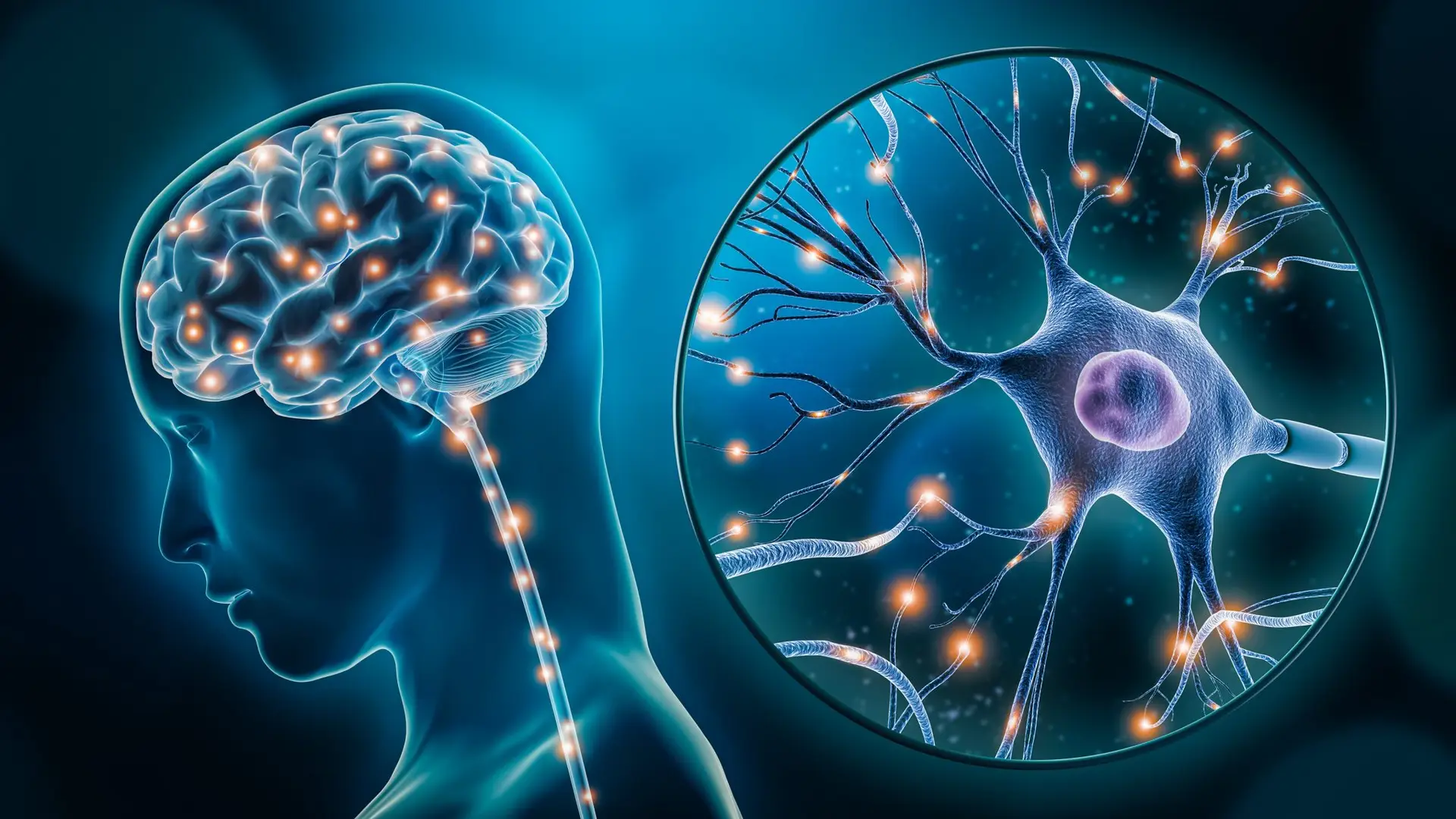
Neurodevelopmental disorders affect how the brain develops, organizes, and communicates—impacting attention, learning, emotional regulation, sensory processing, and behavior. While many begin in childhood, these patterns often persist into adulthood, presenting differently as life demands and stressors evolve.

From an integrative medicine perspective, neurodevelopmental health is influenced by genetics, early brain development, immune and inflammatory activity, gut–brain signaling, nutrient status, and neurotransmitter balance. Subtle disruptions in these systems can affect how different areas of the brain communicate and regulate one another.

At Saba Health & Wellness, we evaluate neurodevelopmental concerns through a functional lens looking beyond symptoms to understand underlying neurological organization and balance.

Key Areas We Assess

Primitive Reflexes

Primitive reflexes are automatic movement patterns present in infancy that should integrate as the brain matures. Retained reflexes may interfere with coordination, focus, emotional regulation, posture, and learning. Testing these reflexes helps identify areas of neurological immaturity that may be contributing to ongoing challenges.

Hemispheric Balance

The left and right hemispheres of the brain play distinct roles in language, logic, emotional processing, attention, and motor control. Imbalances in hemispheric activity can affect learning, behavior, sensory integration, and executive function. Identifying these patterns allows for targeted support to promote more balanced brain communication.

Brain Region Function

Different symptoms may be linked to under- or over-activity in specific brain regions, including:

  • Prefrontal cortex: attention, impulse control, executive function
  • Limbic system: emotional regulation, stress response, mood
  • Cerebellum: coordination, timing, processing speed
  • Brainstem: sensory processing, arousal, autonomic regulation

Common Neurodevelopmental Conditions

  • ADHD / ADD
  • Autism Spectrum Disorder (ASD)
  • Executive Function Disorder
  • Sensory Processing Disorder
  • Learning differences (dyslexia, dysgraphia, dyscalculia)
  • Developmental coordination disorder (dyspraxia)
  • Tic and motor regulation disorders

Common Neurotransmitter Patterns

(These imbalances vary by individual and are not diagnostic.)

  • Dopamine: attention, motivation, reward processing
  • Norepinephrine: focus, alertness, stress response
  • Serotonin: mood, sleep, emotional regulation
  • GABA: calming, sensory modulation, anxiety regulation
  • Glutamate: excitation, learning, sensory input processing
  • Acetylcholine: memory, learning, cognitive speed

Our Integrative Approach

By assessing neurological organization, reflex integration, hemispheric balance, neurotransmitter patterns, neurological exercise programming, and foundational systems such as gut health, inflammation, sleep, and nutrition, we aim to support healthier brain function and improved regulation across the lifespan.

Get Started With Functional Medicine in Longmont

If you’re looking for functional medicine care in Longmont that treats you every step of the way, SABA Health Network is here to help. Schedule a consultation today and take the first step toward root-cause care.