
What’s the Best Breakfast for IBS?
If you’re living with teh symptoms of Irritable Bowel Syndrome (IBS), breakfast can feel like a gamble. Eat the wrong thing, and your entire day might be shaped by bloating, cramping, or urgent bathroom trips. But when you get breakfast right, it can set the tone for stable digestion, better energy, and fewer symptoms.
The truth is, there’s no single “perfect” breakfast for everyone with IBS. But there are principles, nutrients, and strategies that consistently help calm the gut and support long-term healing.
Let’s walk through what IBS is, why breakfast matters so much, and how to build a morning routine that actually works for your body. As Longmont’s leading experts in gut health, there’s a lot to share.
What Is IBS?
IBS is a functional digestive condition that affects how your gut behaves rather than causing visible structural damage. It’s incredibly common and often shows up as a mix of symptoms that can shift over time.
Symptoms of IBS can include:
- Bloating and abdominal discomfort
- Constipation, diarrhea, or alternating between both
- Gas and distension
- Cramping after meals
- Food sensitivities
What makes IBS challenging is that it’s not just about digestion. It’s tied closely to your nervous system, immune function, microbiome, and even stress levels. That’s why two people with IBS can react completely differently to the same foods.
Why Breakfast Matters for IBS and Daily Energy
Breakfast does more than “break a fast.” It sets the tone for how your gut and your energy levels will function for the rest of the day. After hours without food, your digestive system is more sensitive and responsive, which means your first meal can either support smooth digestion or trigger symptoms that linger.
When you choose foods that are easy to digest and balanced, breakfast helps gently activate gut motility, making bowel movements more regular and predictable. It also plays a key role in stabilizing blood sugar, which directly affects both digestive function and energy levels. Without that stability, it’s common to experience mid-morning crashes, increased cravings, and a higher likelihood of reaching for foods that may aggravate IBS symptoms.
A thoughtful breakfast also supports the gut-brain connection. The signals between your digestive system and nervous system begin early in the day, and a calm, nourishing meal can help reduce stress responses that often worsen IBS.
On the other hand, skipping breakfast or relying on coffee alone can put your body into a more stressed state. Elevated cortisol levels and a lack of digestive rhythm can lead to increased sensitivity, irregular bowel patterns, and low, inconsistent energy. Starting your day with the right foods helps create a more stable foundation—for both your gut and your overall well-being.
What Nutrients Support IBS-Friendly Breakfasts?
Instead of focusing on specific foods, it’s more helpful to understand the nutrients your gut needs to function well.
1. Soluble Fiber
Soluble fiber is one of the most important nutrients for IBS. It absorbs water and forms a gel-like consistency, helping to regulate both constipation and diarrhea.
Good breakfast sources include:
- Oats
- Chia seeds
- Flaxseeds
- Low-FODMAP fruits like blueberries
This type of fiber is generally better tolerated than insoluble fiber, which can be too harsh for sensitive guts.
2. Protein for Stability
Protein helps stabilize blood sugar and reduces spikes that can worsen gut symptoms. It also supports tissue repair and overall metabolic health.
Great options:
- Eggs
- Greek yogurt (if tolerated)
- Protein smoothies with clean protein powder
- Nut butters
A protein-rich breakfast can help you feel steady and reduce digestive stress throughout the day.
3. Healthy Fats
Healthy fats support hormone balance and reduce inflammation, which is key in IBS management.
Consider adding:
- Avocado
- Olive oil
- Nuts and seeds
Fats also slow digestion slightly, which can help prevent rapid bowel movements in some IBS cases.
4. Gut-Supportive Nutrients
Certain nutrients help repair and maintain the gut lining:
- Glutamine: supports intestinal barrier function
- Zinc: aids in tissue repair
- Omega-3s: reduce inflammation
These can come from foods or targeted supplementation when needed.
So, What Is the Best Breakfast for IBS?
Instead of a single answer, think in terms of building a balanced plate that your gut can tolerate.
Here are a few IBS-friendly breakfast ideas:
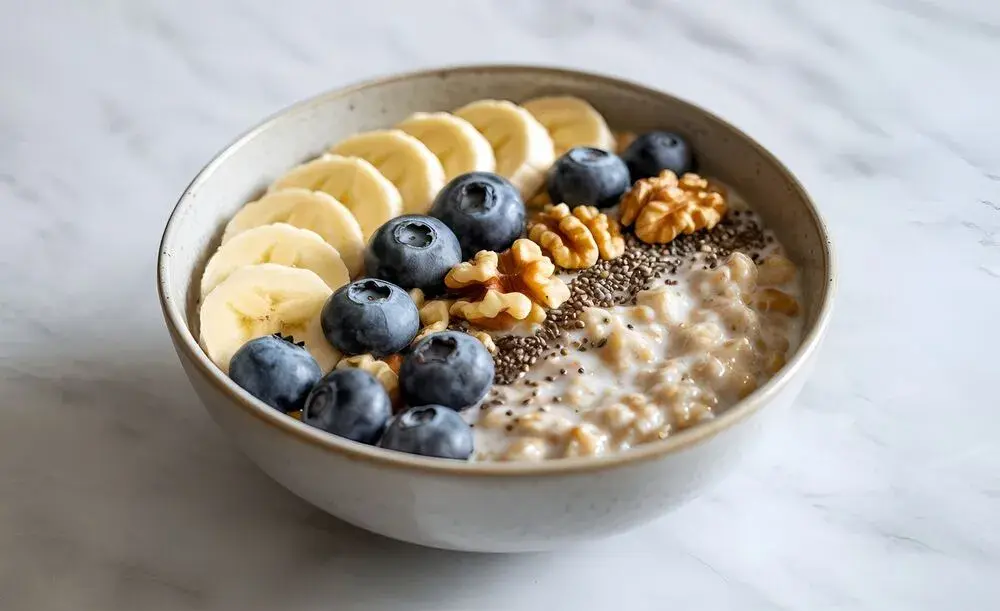
Option 1: Gentle Gut Oat Bowl
Oats cooked with almond milk, topped with chia seeds, blueberries, and a spoonful of almond butter.
Why it works:
You get soluble fiber, healthy fats, and antioxidants in a form that’s easy to digest.
Option 2: Protein Smoothie
A smoothie with protein powder, spinach, frozen berries, flaxseeds, and a non-dairy milk.
Why it works:
It’s light, easy on digestion, and delivers protein plus gut-supportive nutrients without overwhelming the system.
Option 3: Eggs and Cooked Vegetables
Scrambled eggs with sautéed zucchini or spinach and a side of gluten-free toast.
Why it works:
High in protein and low in irritants, especially when vegetables are cooked (which makes them easier to digest).
Option 4: Yogurt Bowl (If Tolerated)
Plain Greek yogurt with low-FODMAP fruit and a sprinkle of seeds.
Why it works:
Provides probiotics and protein—but only if dairy doesn’t trigger your symptoms.
Managing IBS with Diet vs. Healing the Gut
Many people with IBS find themselves stuck in a cycle of avoiding foods that trigger symptoms. While this approach can provide short-term relief, it rarely tells the full story of what’s happening in the gut. Avoidance can help calm flare-ups, but it doesn’t always address why the digestive system is so sensitive in the first place.
Symptom Management Through Diet
One layer of IBS care focuses on managing symptoms through strategic dietary choices. This often involves eliminating known trigger foods, following a low-FODMAP approach when appropriate, adjusting fiber intake, and choosing meals that are easier to digest. These strategies can be very effective in reducing discomfort and helping you feel more in control, especially in the early stages.
However, over time, this approach can become restrictive and frustrating if it’s the only strategy being used. Many people find themselves continually narrowing their food choices without experiencing long-term improvement in their gut health.
Restoring the Gut from the Inside Out
The deeper layer of care focuses on restoring the gut from the inside out. Rather than simply working around symptoms, this approach aims to improve how the digestive system functions as a whole. It may involve rebalancing the microbiome, identifying and addressing underlying infections or bacterial overgrowth like SIBO, and supporting the repair of the gut lining.
This process can also include improving digestive enzyme function, optimizing stomach acid levels, and reducing systemic inflammation. Each of these factors plays a role in how well your body breaks down and absorbs nutrients, as well as how it responds to different foods.
Building Long-Term Resilience
As the gut begins to heal at a foundational level, many people notice that their tolerance to foods improves. Meals that once caused discomfort may become easier to handle, and the stress around eating—especially something as routine as breakfast—begins to fade.
Instead of constantly managing symptoms, the focus shifts toward building a more resilient, adaptable digestive system—one that allows you to eat with more confidence and live with fewer daily disruptions.
Why You Might Need More Than Just Diet Changes
If you’ve already tried adjusting your breakfast—and even your overall diet—but still deal with IBS symptoms, it’s a sign that something deeper may be driving your discomfort. Food is an important piece of the puzzle, but it’s not always the root cause. Many people find that even with careful eating, symptoms persist because the underlying systems influencing digestion haven’t been fully addressed.
IBS is often shaped by a combination of factors that go beyond what’s on your plate. Chronic stress and nervous system dysregulation can keep your gut in a reactive state, making it more sensitive to foods that might otherwise be well tolerated. Gut infections or bacterial imbalances, such as overgrowth in the small intestine, can disrupt digestion and lead to ongoing symptoms. You may also be dealing with food sensitivities that haven’t been clearly identified, along with hormonal imbalances that affect gut motility and inflammation. On top of that, immune system activity and chronic inflammation can continue to irritate the gut lining, making it harder for your digestive system to fully recover.
This is where working with a functional provider can make a meaningful difference. Instead of continuing to guess which foods to avoid, you can begin to understand what’s actually happening inside your body and take steps to correct it.
A Functional Approach at SABA Health Network
At SABA Health Network, we take a comprehensive, root-cause approach to IBS that goes far beyond basic diet recommendations. Rather than focusing only on symptom management, we look at how your entire body is functioning and how different systems may be contributing to your digestive issues.
Your care is designed to be personalized and data-driven. This may include advanced testing to evaluate your microbiome and overall gut function, giving us a clearer picture of imbalances that may be contributing to your symptoms. From there, we develop nutrition strategies tailored to your specific needs and tolerances, helping you reintroduce foods in a way that feels safe and sustainable. We also provide targeted support for repairing the gut lining and reducing inflammation, along with guidance around stress, sleep, and lifestyle factors that play a major role in digestion.
Most importantly, our goal is to help you move beyond simply reacting to symptoms. With the right plan and support, you can begin to improve your gut health in a lasting way—so your body becomes more resilient over time.
Building a Better Breakfast (and a Better Gut)
The best breakfast for IBS is one that works with your body, not against it. It should feel nourishing and supportive, helping you start the day with steady digestion and balanced energy rather than discomfort or uncertainty. A well-designed breakfast provides the nutrients your gut needs while being gentle enough to avoid triggering symptoms.
As your gut health improves, your breakfast can evolve with you. Foods that may have once caused issues could become more tolerable, and your options can gradually expand. It’s normal for this process to take some trial and error, and that’s part of finding what truly works for your unique system.If you’re tired of guessing and want a more structured, personalized approach, the team at SABA Health Network is here to guide you. With the right support, breakfast can shift from something you worry about into something that helps you feel grounded, energized, and ready for the day.